

What Causes Bloating and What Actually Helps Reduce It?
You wake up feeling perfectly normal. Then lunch happens.
A few hours later, your stomach feels tight, your clothes suddenly seem smaller, and you start wondering how one ordinary meal made you feel so uncomfortable.
Bloating is extremely common, but it is also widely misunderstood. Many people blame it on one “bad” food, slow metabolism, or sudden weight gain. In reality, bloating can result from gas, water retention, constipation, swallowed air, food intolerance, or the way your digestive system reacts to certain carbohydrates.
The popular image comparing foods that cause bloating with foods that reduce it contains some useful ideas, but the truth is more personal. A food that causes discomfort for one person may be completely harmless for someone else.
What Does Bloating Actually Mean?

Bloating is the feeling that your abdomen is full, tight, pressured, or swollen. Some people experience the sensation without any visible change, while others notice that their stomach becomes noticeably larger.
The most common cause is excess gas in the digestive system. However, bloating can also be related to constipation, food intolerance, irritable bowel syndrome, hormonal changes, or slower digestion.
Eating too quickly can also contribute. When you eat fast, chew gum, drink through a straw, or talk while eating, you may swallow extra air. That trapped air can create pressure and discomfort.
This explains why two people can eat the same meal and have completely different reactions.
Instant Noodles and Packaged Chips
Instant noodles and packaged chips are often high in sodium, fat, and highly processed ingredients.
Sodium can cause the body to retain more water, making you feel puffy or swollen. This is not always the same as gas-related bloating, but the uncomfortable feeling can be very similar.
High-fat foods may also digest more slowly, leaving the stomach feeling heavy and overly full for longer.
This does not mean that one small serving of chips will automatically cause bloating. Problems are more likely after large portions, frequent consumption, or meals that contain several salty and fatty foods together.
Fizzy Drinks
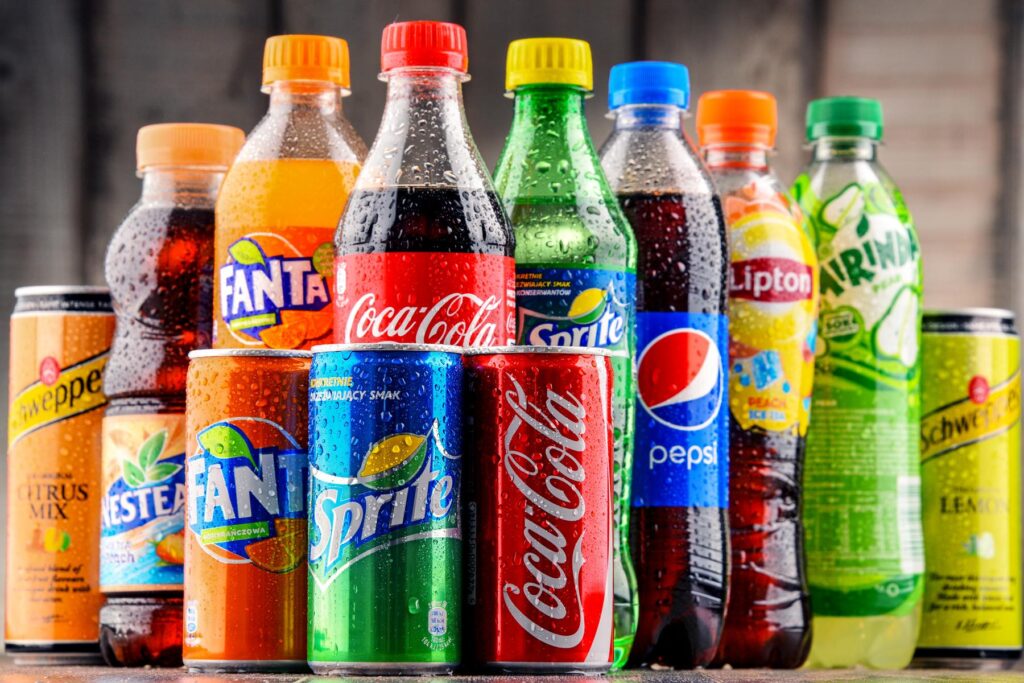
The image labels cold drinks as a cause of bloating, but the temperature of the drink is usually not the main issue.
Carbonated drinks contain gas. When you drink soda, sparkling water, or other fizzy beverages, some of that gas can remain inside the digestive system.
Drinking through a straw or drinking very quickly can make the problem worse because you may swallow more air.
Sugar-free drinks may also contain sweeteners such as sorbitol, mannitol, or xylitol. These sweeteners are difficult for some people to digest and may cause gas, cramping, or loose stools.
A cold glass of still water is unlikely to be the problem. A large carbonated drink is much more likely to leave you feeling bloated.
Beans, Chickpeas, and Lentils
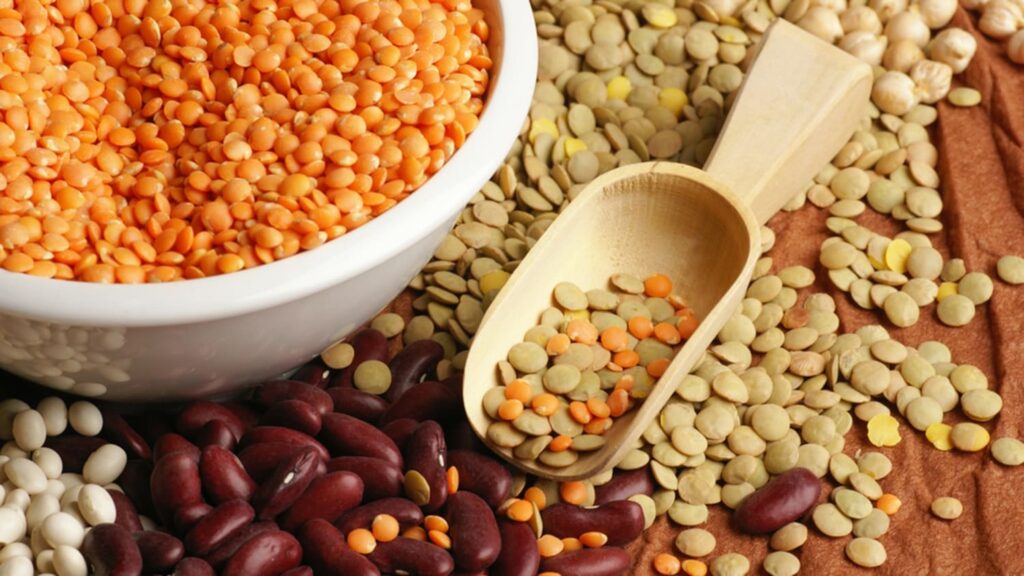
Kidney beans, chickpeas, lentils, and other legumes are nutritious sources of fibre, protein, vitamins, and minerals.
However, they also contain fermentable carbohydrates that are not completely digested in the small intestine. When these carbohydrates reach the colon, gut bacteria break them down and produce gas.
People with sensitive digestion may notice this effect more strongly.
This does not mean legumes are unhealthy or that they should always be avoided. Your digestive system may adapt when you introduce them gradually.
Starting with smaller portions, rinsing canned beans thoroughly, soaking dried beans, and increasing fibre slowly may make them easier to tolerate.
Ice Cream
Ice cream may cause bloating for several reasons.
It contains lactose, a natural sugar found in dairy products. People with lactose intolerance do not produce enough of the enzyme needed to digest lactose properly.
Undigested lactose travels into the colon, where bacteria ferment it. This can lead to gas, stomach pain, bloating, or diarrhoea.
Ice cream is also often high in fat and sugar, which may make the stomach feel heavy after a large serving.
Someone who digests lactose normally may be able to eat ice cream without any problem. Lactose-free ice cream may be a useful alternative for people who suspect dairy is a trigger.
Wheat and Refined Flour
The image suggests that refined wheat roti causes bloating, but wheat is not a problem for everyone.
Some people are sensitive to fermentable carbohydrates found in wheat. Others may have coeliac disease, a wheat allergy, or another digestive condition.
In many cases, however, the reaction may be related to portion size, added oil, accompanying foods, or eating too quickly rather than the flour itself.
Occasional bloating does not automatically mean you need to remove gluten from your diet. Starting a strict gluten-free diet without medical guidance may make it harder to identify the real cause of your symptoms.
Excess Salt
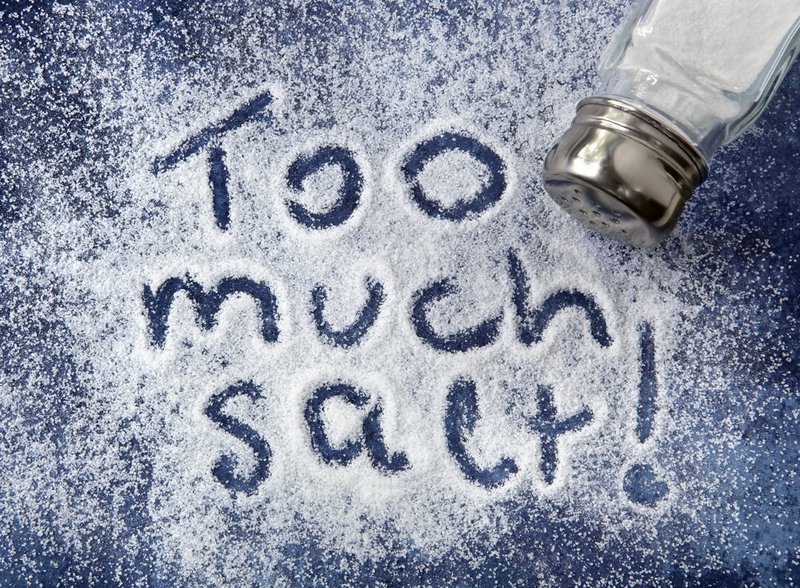
Excess salt is one of the more believable causes shown in the image.
A salty meal may not produce intestinal gas, but it can increase water retention. This can make your stomach, face, hands, or body feel swollen.
Processed snacks, sauces, fast food, instant meals, and restaurant dishes often contain much more sodium than people realize.
Reducing unusually salty foods and drinking enough water may help your body return to its normal fluid balance.
Can Cucumber Reduce Bloating?
Cucumber contains a large amount of water and is usually easy to digest in moderate portions.
It may feel lighter than fried foods, onions, garlic, or certain legumes. Its high water content can also support hydration, which is helpful when constipation contributes to bloating.
However, cucumber does not instantly remove trapped gas. Its main advantage is that it is refreshing, light, and less likely to cause discomfort for many people.
Does Papaya Help?
Papaya is often described as a digestion-friendly fruit.
It contains fibre, water, vitamins, and an enzyme called papain. Papain helps break down proteins, although claims that papaya instantly cures bloating are exaggerated.
Papaya may simply be easier for some people to digest than fruits that contain larger amounts of fermentable sugars.
A moderate portion can be a comfortable snack, but eating a large amount of any fruit may still cause digestive discomfort.
Can Bananas Reduce Bloating?
Bananas may help some people, but the effect depends on ripeness, portion size, and personal tolerance.
Firm or slightly green bananas may be easier for some people to tolerate. Very ripe bananas contain different types of carbohydrates and may cause symptoms in sensitive individuals.
Bananas also contain potassium, which supports normal fluid balance in the body. However, eating one banana will not instantly reverse the effects of a very salty meal.
It can be a sensible snack, but it is not a guaranteed cure for bloating.
Curd, Yogurt, and Probiotics
Curd and yogurt may support digestive health because some varieties contain live beneficial bacteria.
These bacteria may help certain people, particularly those who tolerate dairy well. However, yogurt can make bloating worse in people with lactose intolerance.
Not all yogurts contain the same bacterial strains, and not every probiotic works in the same way. Products with large amounts of added sugar may also cause discomfort.
Lactose-free yogurt or plain yogurt may be worth trying when ordinary dairy seems to be a trigger.
Ginger Tea
Ginger has traditionally been used to relieve nausea, indigestion, and stomach discomfort.
A warm cup of ginger tea may feel soothing after a heavy meal. It may also support normal movement of food through the digestive system.
However, ginger is not a guaranteed treatment for bloating. Strong ginger drinks or large amounts may cause heartburn, stomach irritation, or diarrhoea in some people.
A mild tea is usually a better choice than a highly concentrated ginger shot.
Fennel Seeds
Fennel seeds are commonly used as a traditional digestive remedy.
Some people chew them after meals or prepare them as tea. Fennel may help relax the digestive system and make trapped gas easier to pass.
However, the response varies from person to person. Fennel should be seen as a comforting option rather than a medical cure.
Jeera Water
Jeera water is made by soaking or boiling cumin seeds in water.
Many people drink it as a traditional remedy for digestive discomfort. The warm water may feel soothing, and replacing a carbonated drink with jeera water can reduce the amount of gas you swallow.
However, there is limited evidence that cumin water alone can eliminate bloating. The hydration, warmth, and lack of carbonation may provide much of the benefit.
What Actually Helps When You Feel Bloated?
When bloating appears, avoid trying several remedies at once. Start with a few simple changes.
Eat your next meal slowly and keep the portion moderate. Avoid fizzy drinks, chewing gum, and drinking through a straw. Choose still water and take a gentle walk after eating instead of lying down immediately.
Movement can help the digestive system and may make trapped gas easier to pass.
Constipation should also be considered. When stool remains in the colon, gas may become harder to move, creating more pressure and discomfort.
Eating enough fibre, drinking water, and staying physically active can support regular bowel movements. However, increasing fibre too quickly may temporarily make bloating worse, so make changes gradually.
Keep a Food and Symptom Diary
Bloating is often easier to understand when you look for patterns.
For one or two weeks, write down what you eat, how much you eat, and when symptoms begin.
Also record whether you were constipated, stressed, or experiencing hormonal changes. Note whether the meal included dairy, wheat, beans, artificial sweeteners, fizzy drinks, or large amounts of salt.
Change only one suspected trigger at a time.
Removing dairy, wheat, fruit, beans, and fibre at the same time may reduce symptoms temporarily, but it will not reveal which food actually caused the problem.
A simple diary can help you identify personal triggers without following an unnecessarily restrictive diet.
When Bloating Should Not Be Ignored
Occasional bloating after a large or unusual meal is usually not a reason to panic.
However, persistent or frequently recurring bloating deserves attention, especially when it interferes with everyday life.
Speak with a healthcare professional when bloating continues for several weeks or appears with unexplained weight loss, blood in the stool, frequent diarrhoea, persistent constipation, loss of appetite, or ongoing abdominal pain.
Seek urgent medical care if you experience severe or sudden stomach pain, repeated vomiting, difficulty breathing, vomiting blood, or a swollen abdomen with an inability to pass stool or gas.
The Bottom Line
Foods cannot be divided perfectly into two groups: those that cause bloating and those that remove it.
Carbonated drinks, excess sodium, large fatty meals, lactose, and fermentable carbohydrates may trigger symptoms, but sensitivity differs from person to person.
Cucumber, papaya, bananas, yogurt, ginger tea, fennel, and jeera water may feel comfortable for some people, but none of them guarantees immediate relief.
The most effective approach is usually simple. Eat slowly, reduce carbonation, control portion sizes, address constipation, stay active, and pay attention to your personal food patterns.
Your digestive system may not need a miracle remedy. It may simply need you to notice what it has been trying to tell you.