The Ultimate Guide to Home Décor: Everything You Need to Know to Style Your Space
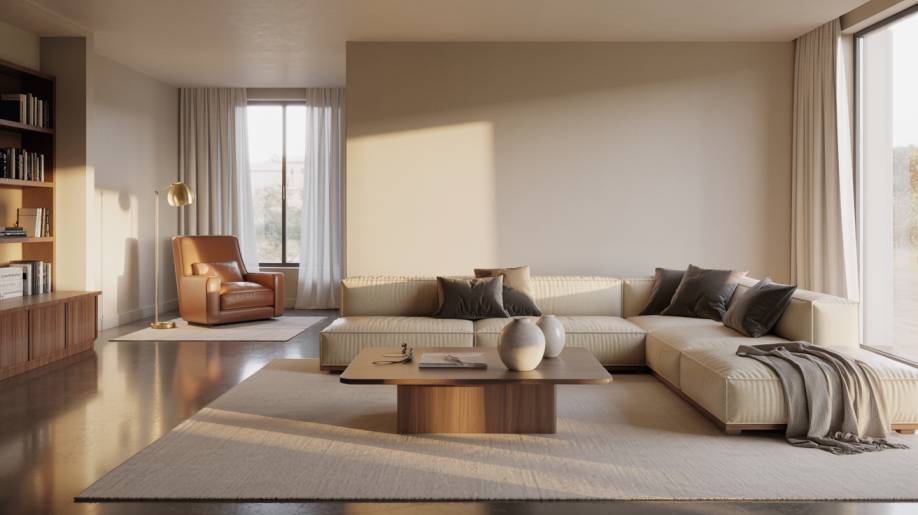
Home décor isn’t about having the most expensive furniture. It’s about making your space feel good to live in—comfortable, functional, and visually “you.” The best-looking homes usually follow a few simple rules: good layout, balanced colors, layered lighting, and intentional styling. This guide walks you through all of it, step by step, in a way that works for both beginners and people who already love décor.
Start With the Purpose of Each Room
Before buying anything, decide what the room is for. A living room can be “movie nights + guests,” a bedroom can be “sleep + calm,” a home office can be “focus + video calls.” Your décor choices should support the main purpose.
Practical checklist:
- Who uses the room?
- What activities happen here daily?
- What feels annoying right now (clutter, bad lighting, empty walls)?
- What’s the vibe you want (calm, cozy, bright, elegant, playful)?
Measure First: The Rule That Saves Money
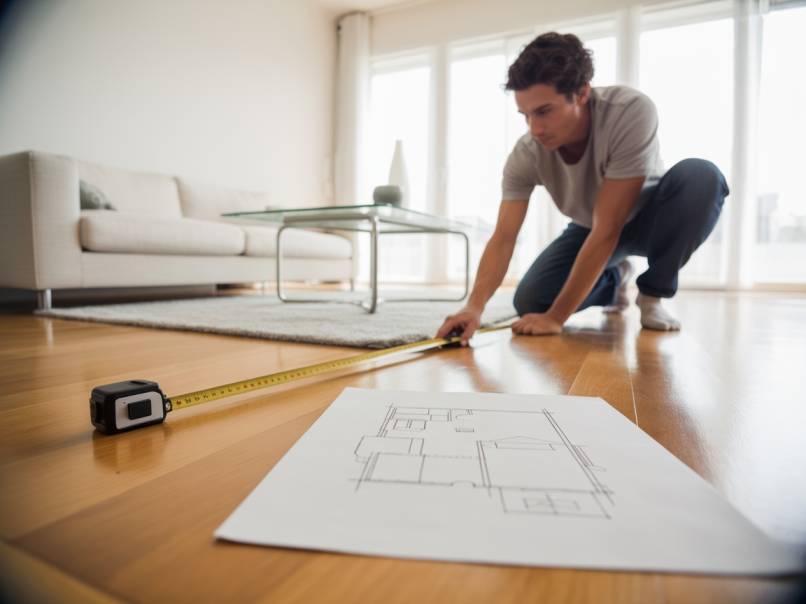
Most décor mistakes are “it looked cute online but doesn’t fit.”
Measure:
- Wall widths
- Sofa wall length
- Rug area
- Window size (for curtains)
- Clear walking paths (aim for comfortable movement without squeezing)
Quick space rules that work in most homes:
- Leave clear walking paths where people move most
- Don’t block doors or drawers
- Scale furniture to the room (tiny room = lighter visual weight)
Choose a Style Direction (Without Getting Stuck)
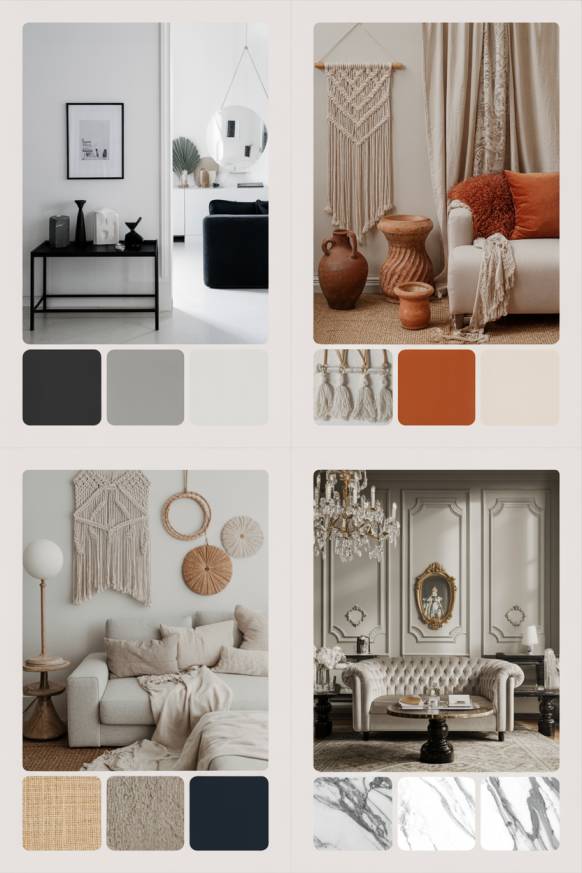
You don’t need one strict style, but you do need a direction. Pick 2–3 style words and use them as your filter.
Examples:
- “Warm, minimal, cozy”
- “Modern, clean, airy”
- “Vintage, romantic, eclectic”
- “Earthy, natural, calm”
- “Bold, playful, colorful”
A simple trick:
Choose one “base style” (modern, classic, Scandinavian, boho) and then add one personal layer (vintage finds, color, art, cultural pieces).
Build a Color Palette That Makes Sense
A strong palette is the fastest way to make a home look “designed.”
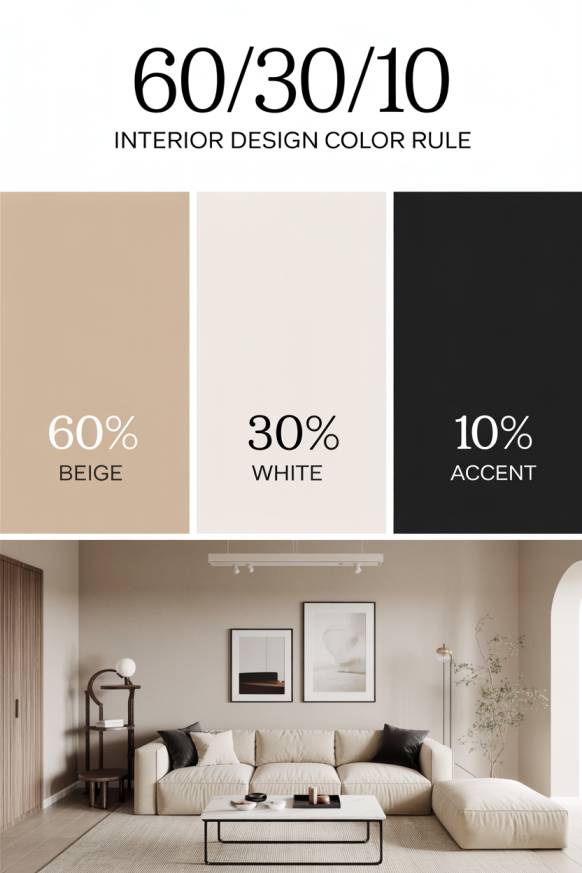
Easy palette formula:
- 60% main color (walls / large furniture)
- 30% secondary color (rug / curtains / bedding)
- 10% accent color (pillows / art / décor objects)
Beginner-friendly palettes:
- Warm beige + white + black accents
- Soft gray + natural wood + green plants
- Cream + terracotta + brass
- White + navy + warm wood
Pro tip: repeat your accent color in at least 3 places around the room so it looks intentional.
Master Layout: Make Furniture Placement Feel “Right”
Good layout makes a room feel expensive even with budget items.
Living room layout basics
- Anchor the room with a rug
- Center seating around a focal point (TV, fireplace, statement wall, window view)
- Add a coffee table or ottoman to complete the “conversation zone”
- Use side tables for practicality (drinks, lamps)
Bedroom layout basics
- Bed is the anchor
- Nightstands create balance (even if one is smaller)
- Keep the walkway clear
- Add a bench or chair if space allows
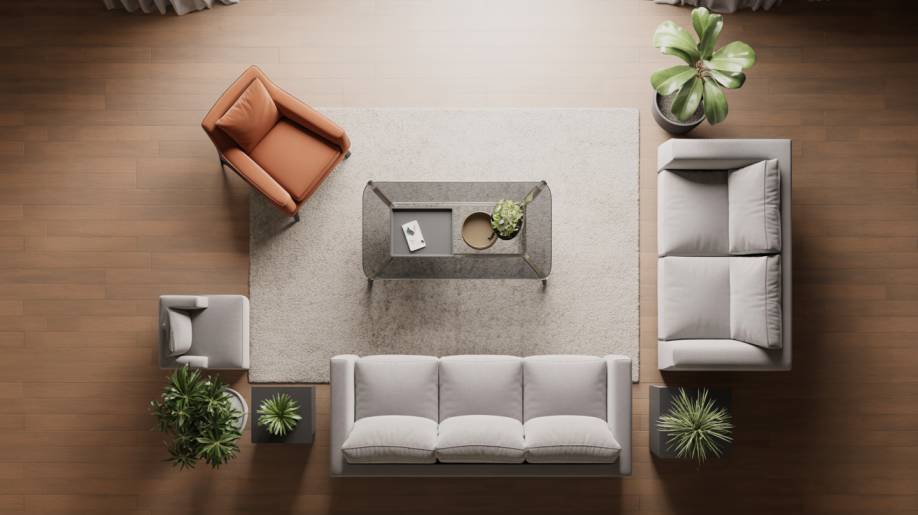
Rugs: The Secret Anchor Piece
Rugs define zones and pull everything together.
Common rug mistakes:
- Rug too small (most common)
- Rug not centered with seating
- Rug doesn’t match the room’s palette
Basic rules that usually work:
- Living room: front legs of sofa and chairs should sit on the rug
- Bedroom: rug should extend beyond the bed edges
- Dining: rug should extend enough so chairs stay on it when pulled out
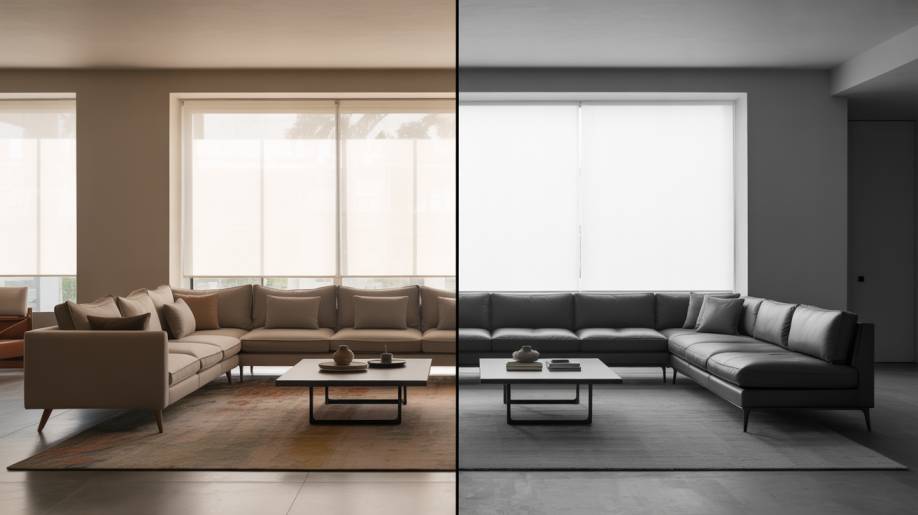
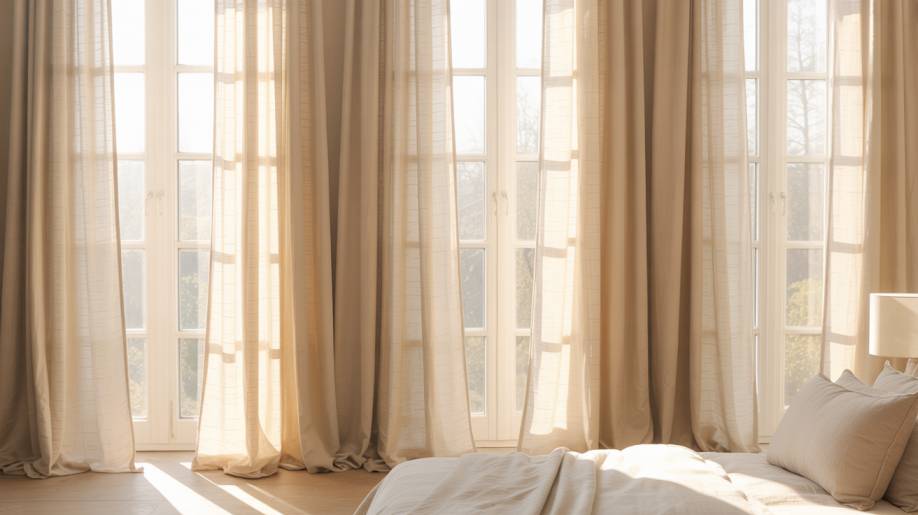
Curtains: Make the Room Look Taller Instantly
Curtains can make ceilings look higher and windows look bigger.
Quick curtain tips:
- Hang rods higher than the window frame
- Extend rods wider than the window so curtains don’t block light
- Choose enough fabric so it looks full (not flat)
Materials:
- Linen look = airy and soft
- Blackout = best for bedrooms
- Sheer + blackout layered = most versatile
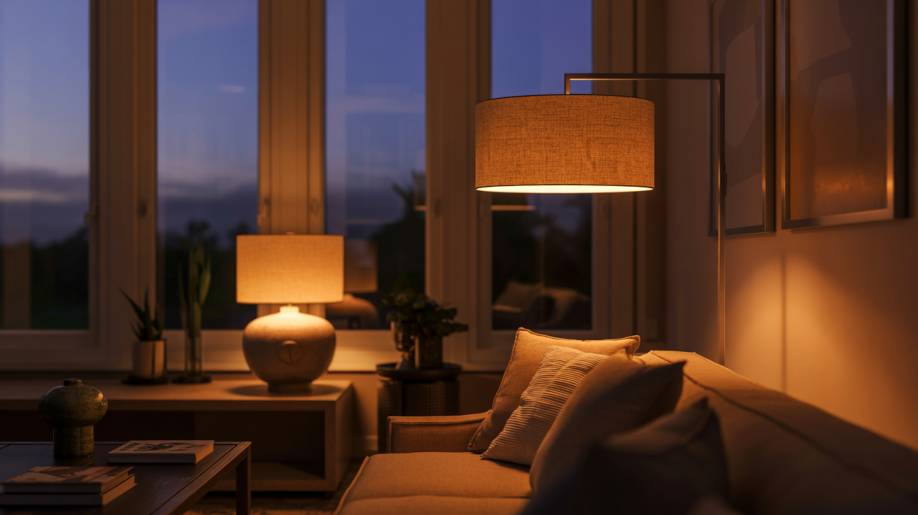
Lighting: Layer It Like a Pro
If a room has only one ceiling light, it usually feels “unfinished.”
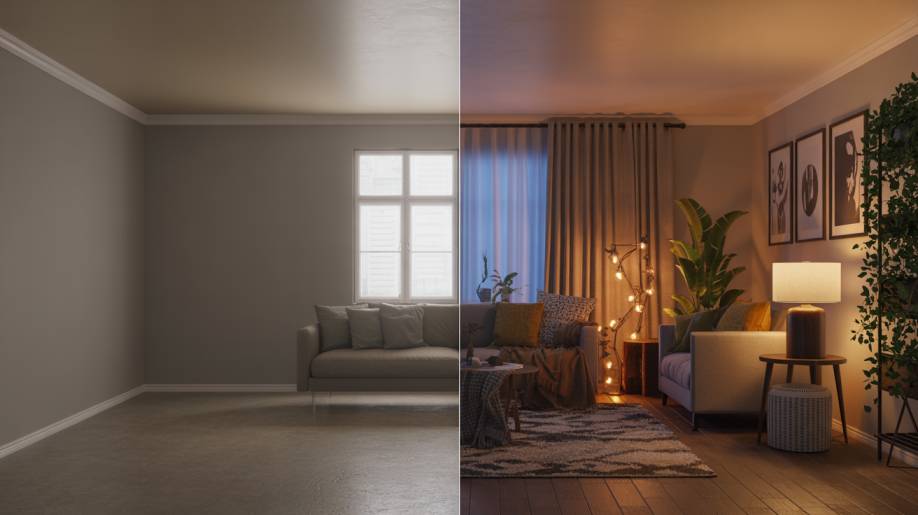
Use 3 layers:
- Ambient (ceiling light)
- Task (desk lamp, reading lamp)
- Accent (wall sconces, LED strips, candles)
Lighting mood tip:
- Warm light feels cozy and relaxing
- Cool light feels more energetic (better for work areas)
Walls: How to Decorate Without Making It Messy
Blank walls make a home feel incomplete, but random wall décor can feel chaotic.
Wall décor options:
- Large statement art (simple and powerful)
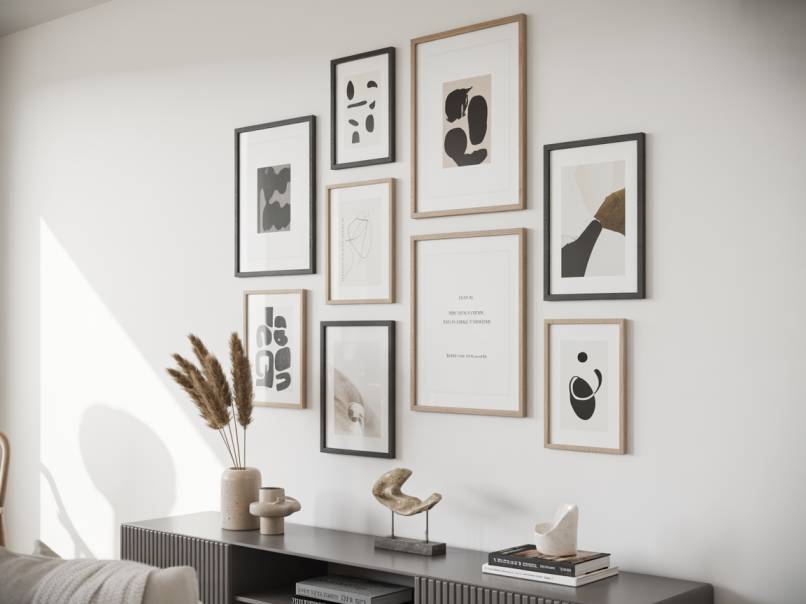
- Gallery wall (mix frames + sizes)
- Mirrors (adds light and space)
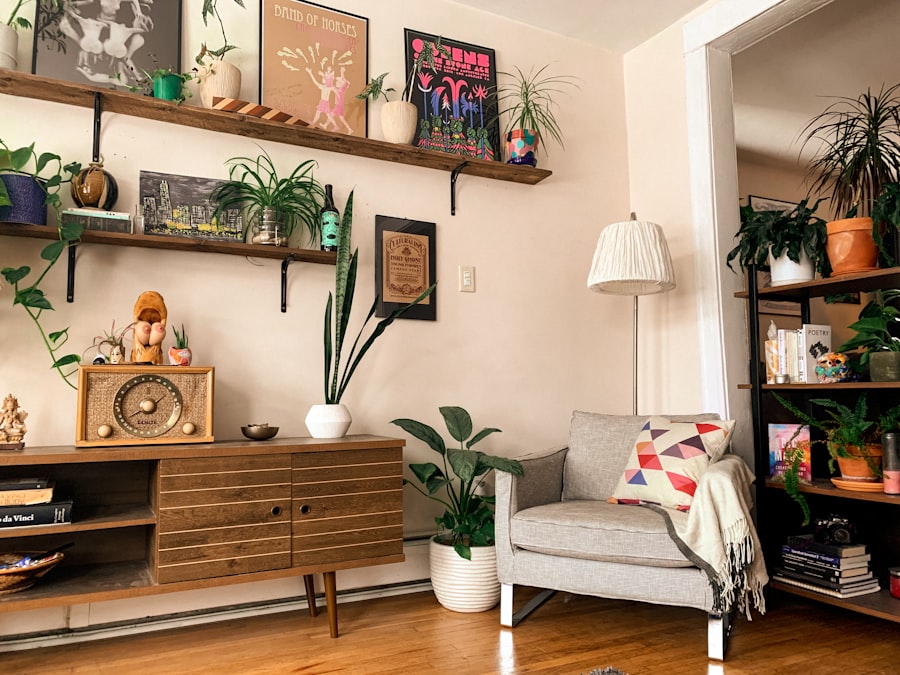
- Shelves (display + storage)
- Textiles (tapestry, woven piece)
Gallery wall rule: keep a consistent element (frame color, spacing, or theme).
Textures: The Difference Between Flat and “Luxury”
Many rooms look boring because everything is the same texture.
Add texture through:
- Linen, cotton, wool
- Wood, rattan
- Leather, velvet
- Matte ceramics
- Stone or marble accents
Texture layering is what makes neutral rooms look rich.
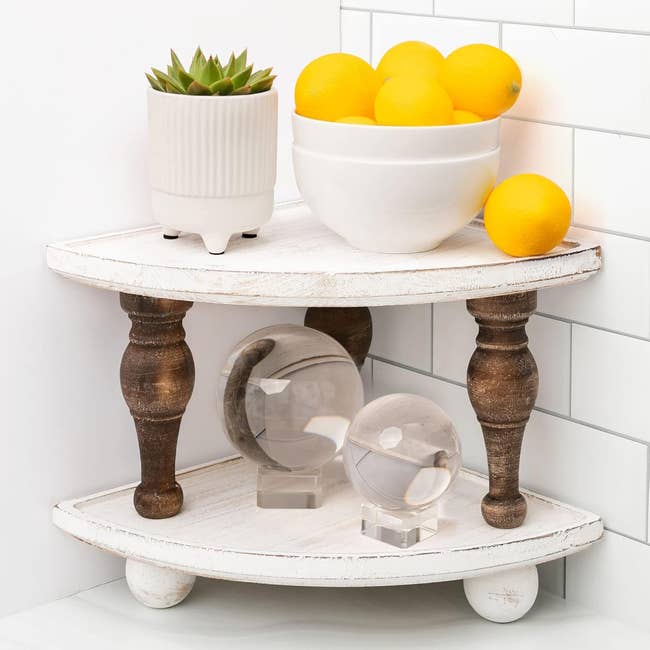
Styling Surfaces: The “3-Item Rule” That Works Everywhere
Coffee tables, shelves, and consoles should feel styled—but still usable.
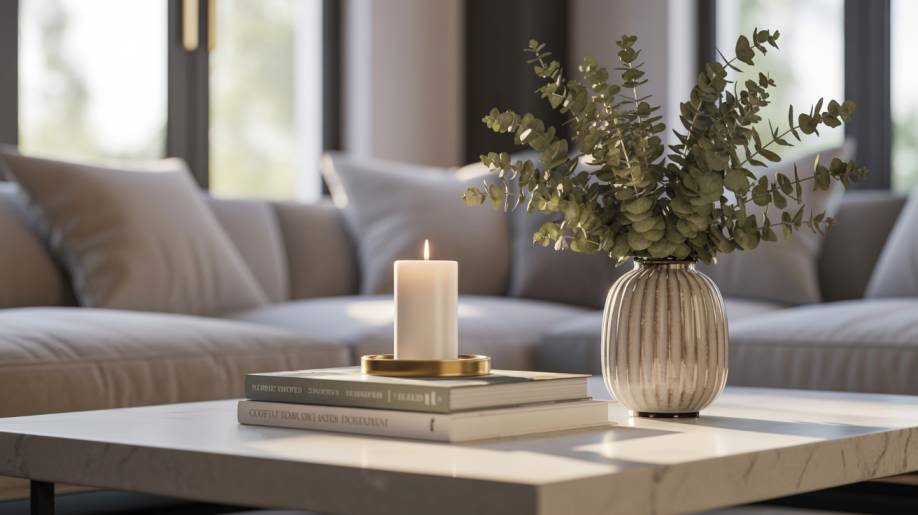
Easy styling formula:
- Something tall (vase, lamp)
- Something medium (books, bowl)
- Something small (candle, decorative object)
Add one natural element (plant, dried flowers) to soften the look.
Storage & Clutter: Make It Pretty and Practical
Décor doesn’t work if clutter takes over.
Smart storage ideas:
- Baskets (blankets, toys, cables)
- Storage ottomans
- Closed cabinets for ugly stuff
- Trays to “group” small items
- Hooks and rails for entryways
Clutter tip: if it’s not pretty, hide it. If you use it daily, make it accessible.
Decorating on a Budget (Without Looking Cheap)
You can build a beautiful space with strategy.
Best places to invest:
- Sofa / mattress (comfort and longevity)
- Rug (anchors the room)
- Lighting (changes mood)
- Curtains (big visual impact)
Save money on:
- Side tables
- Frames
- Decorative objects
- Thrifted furniture (paint/stain upgrades)
Budget upgrade hacks:
- Replace hardware (knobs, handles)
- Add a large mirror
- Paint one accent wall
- Use matching hangers for a clean closet look
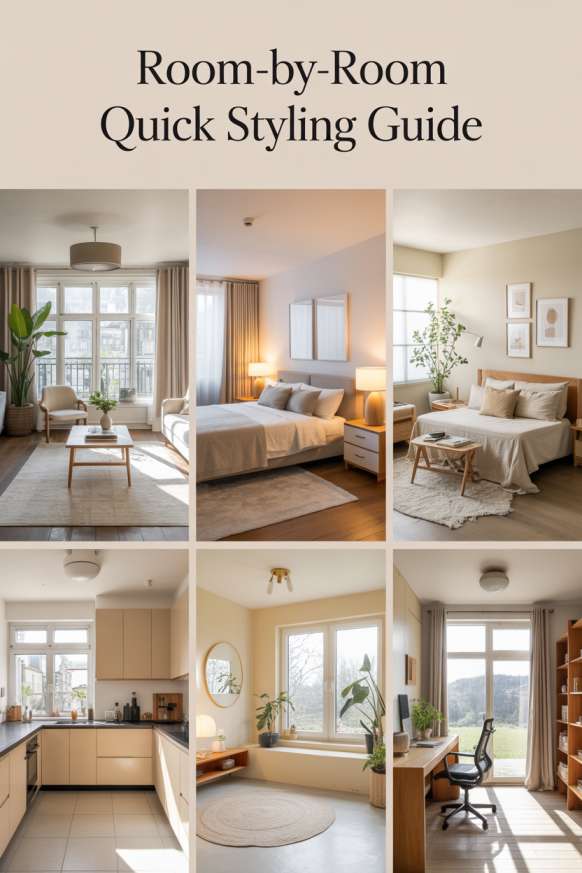
Room-by-Room Quick Styling Guide
Living Room
Focus on: seating zone, rug size, lighting layers, wall art.
Bedroom
Focus on: bedding layers, calm palette, curtains, bedside lighting.
Kitchen
Focus on: clean counters, warm lighting, functional storage, small décor.
Bathroom
Focus on: towels, mirror, lighting, storage baskets.
Home Office
Focus on: task lighting, cable management, simple décor, comfort.
The Final “Put It All Together” Checklist
If you want your space to feel finished, make sure you have:
- A clear layout with walking space
- A simple color palette
- A rug that anchors the room
- Curtains hung high and wide
- 3 layers of lighting
- Wall décor (art/mirror/shelves)
- Texture (at least 3 different materials)
- Storage to control clutter
- A few personal touches (photos, meaningful objects)
FAQ: Home Décor Basics
How do I choose a home décor style?
Pick 2–3 style words that describe your ideal vibe, then build a mood board. Use that as your filter when buying items.
What’s the easiest way to make a room look more expensive?
Add curtains, a properly sized rug, layered lighting, and one big piece of wall art. These create the “designed” look fast.
How do I decorate if my home is small?
Use lighter colors, choose multi-functional furniture, add mirrors to reflect light, and keep surfaces clear with smart storage.
How do I avoid clutter while still having décor?
Use closed storage for messy items, trays to group small objects, and keep décor intentional (fewer items, better placement).